The Broch’s Farming
Recently, a very busy and annually recurring time of the year has passed for us. Lambing time. Lambing time means, getting up with the first daylight at half past four, and most days not getting to bed before midnight. There is a lot of work involved, from helping with difficult births to chivvying the little things through the first days of their life. Before it behind, I feel always somewhat apprehensive, overawed, even frightened. Will I be able to cope? When it gets underway, I love it.
Along with the Brochs, we are running a farming business. That’s why those of you who are staying with us are invoiced by an entity called Polbain House Farm Ltd. We are running a flock of a hundred sheep. Not a lot compared to big sheep farms, but plenty to keep us on our toes all year round.
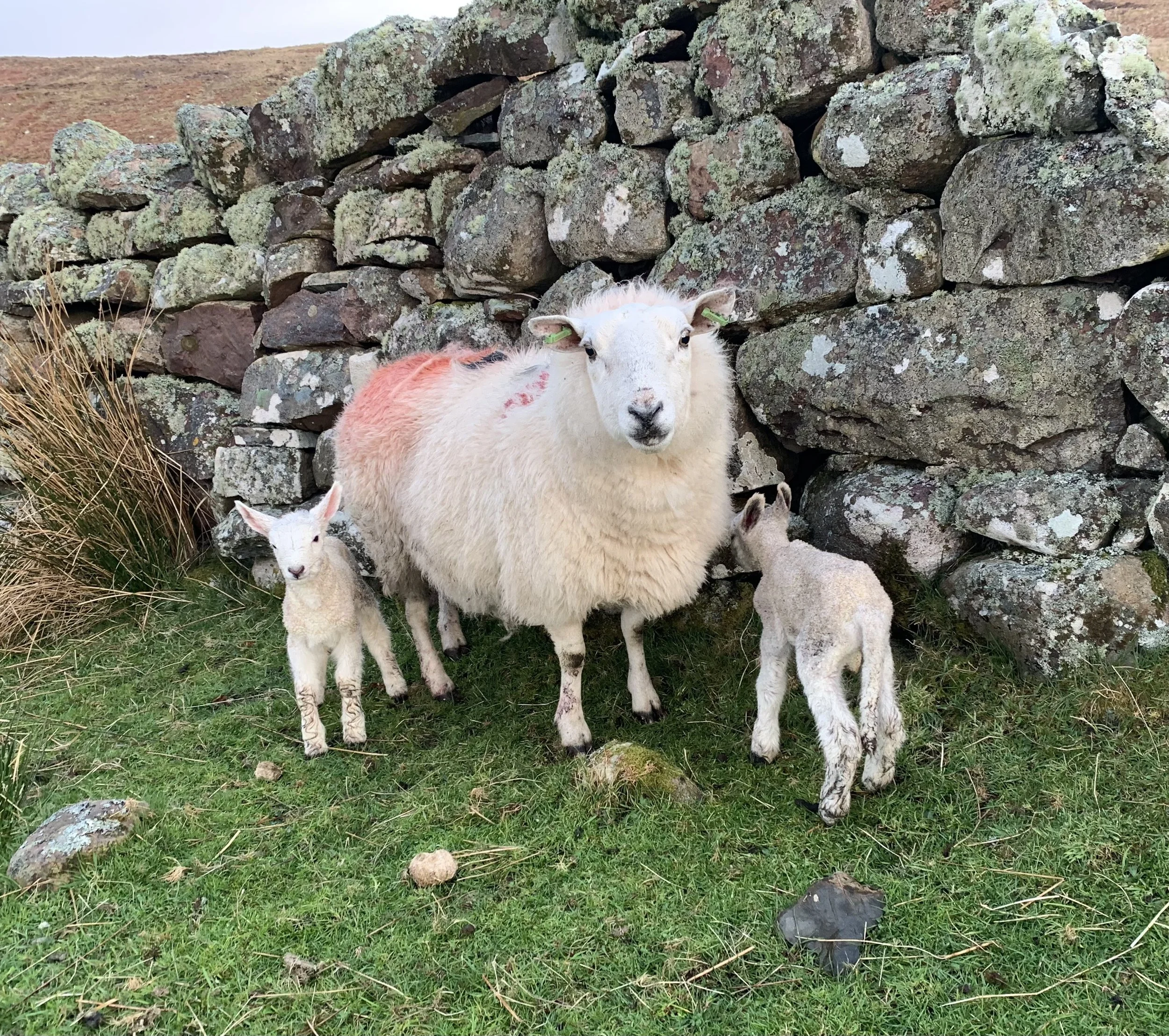
Half of our sheep are Cheviots, the other half Blackfaces. The ewe with her newly born twins in the picture above is a Cheviot. The P on her right shoulder tells everyone who is also using the extensive Coigach hill grazings that she belongs to us. The other colour markings tell us what we need to know about her before lambing. There are two black dots on her spine indicating that she bears twins. We put them on when she was scanned in the first week of February. There is a yellow dot between her ears making sure that haven’t missed her while vaccinating six weeks before lambing so that she transmits immunity to various diseases in her colostrum to her lambs. And most importantly, the red colour on her bum is the “raddle mark” from the tup, which indicates the six day gap within which she is expected to lamb.
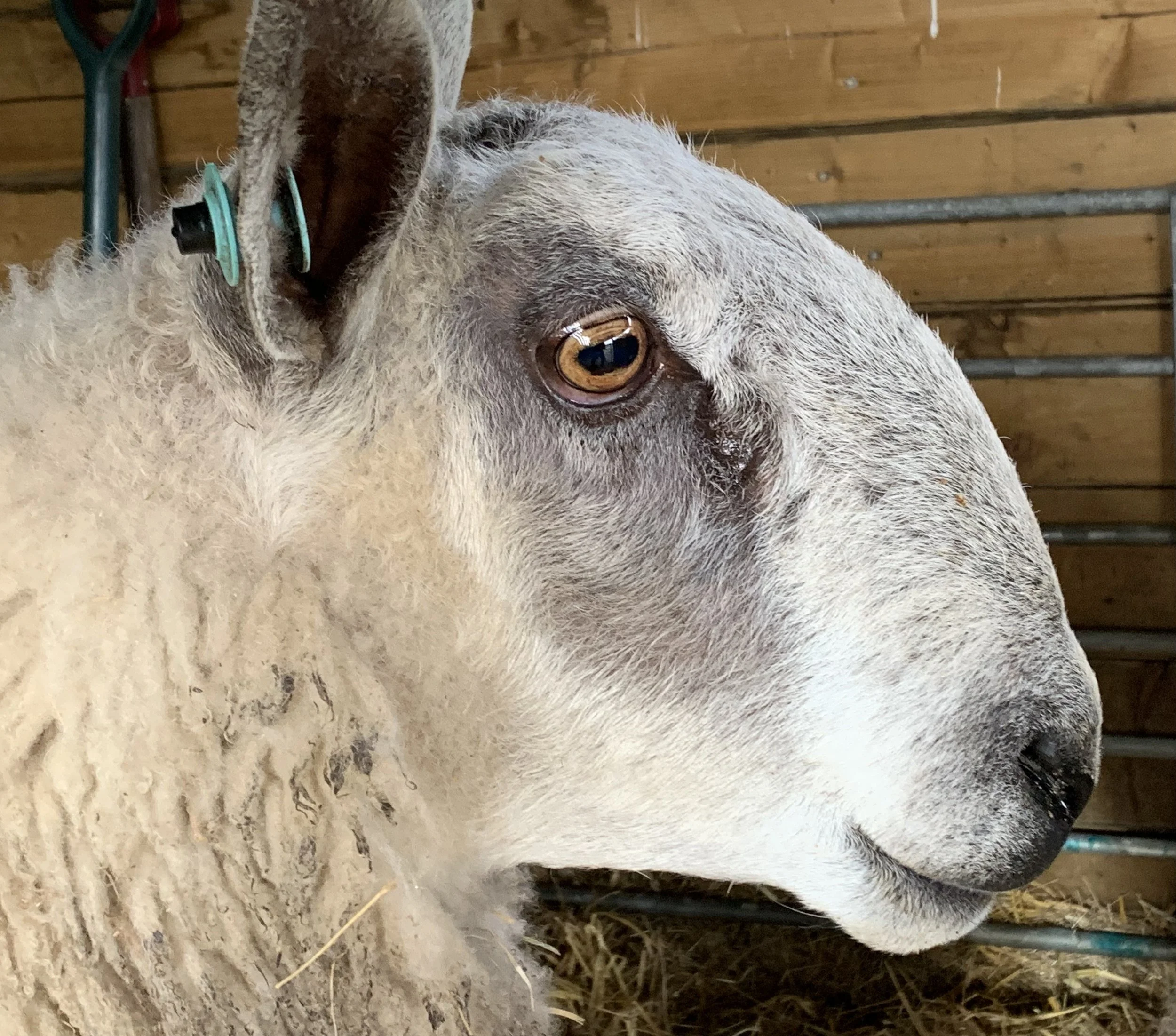
This is one of our tups, a Bluefaced Leicester. We are breeding what’s called mules, sheep that are in high demand in more fertile and less challenging parts of the UK for crossing with “final sires” to produce the kind of lamb that you would buy at your butcher’s. They make great mothers. Farmers like their “milkiness”. They are also in demand because of their largely disease free status. They spend most of the year on the hill, even in the harshest conditions in mid-winter.
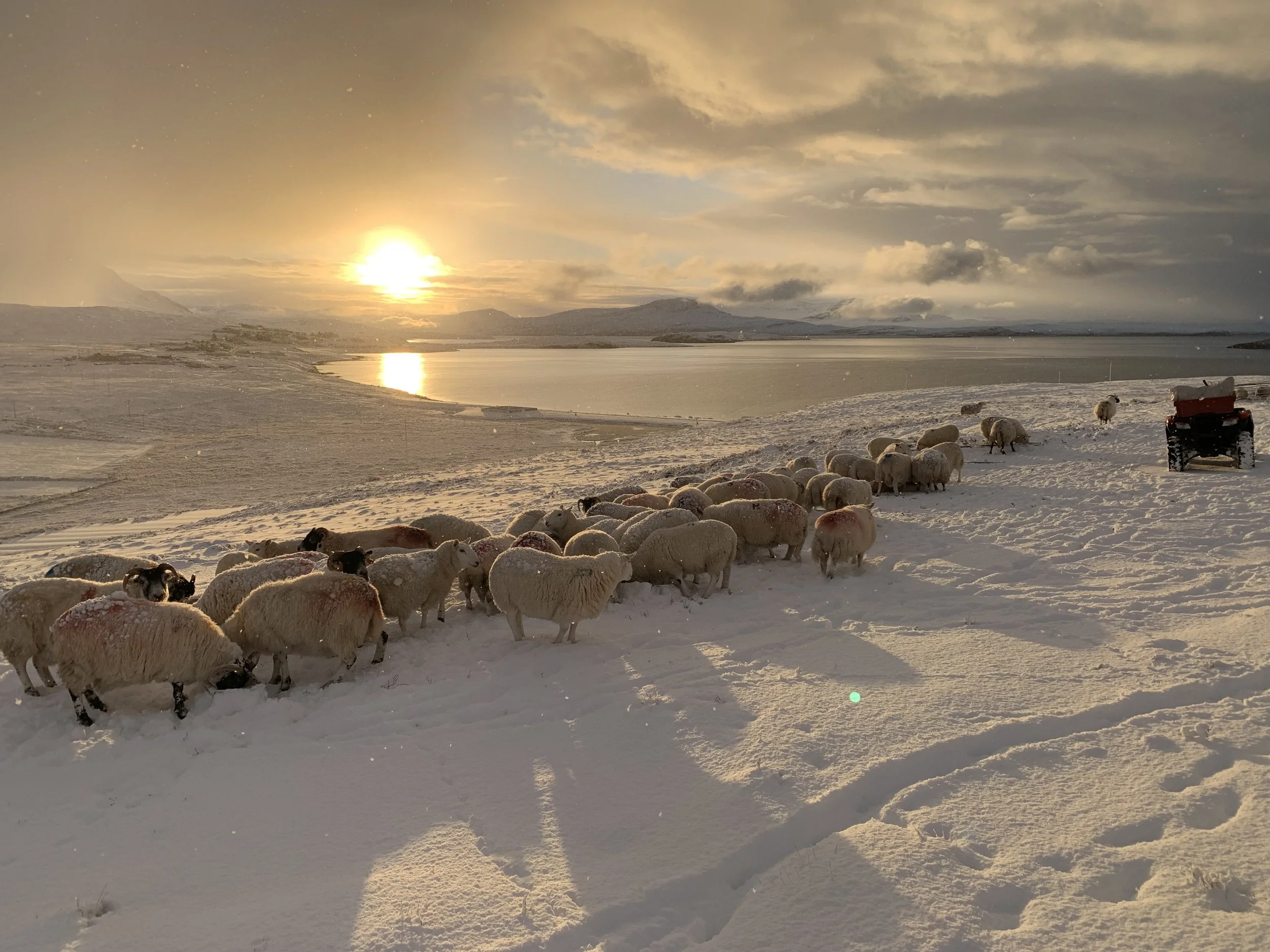
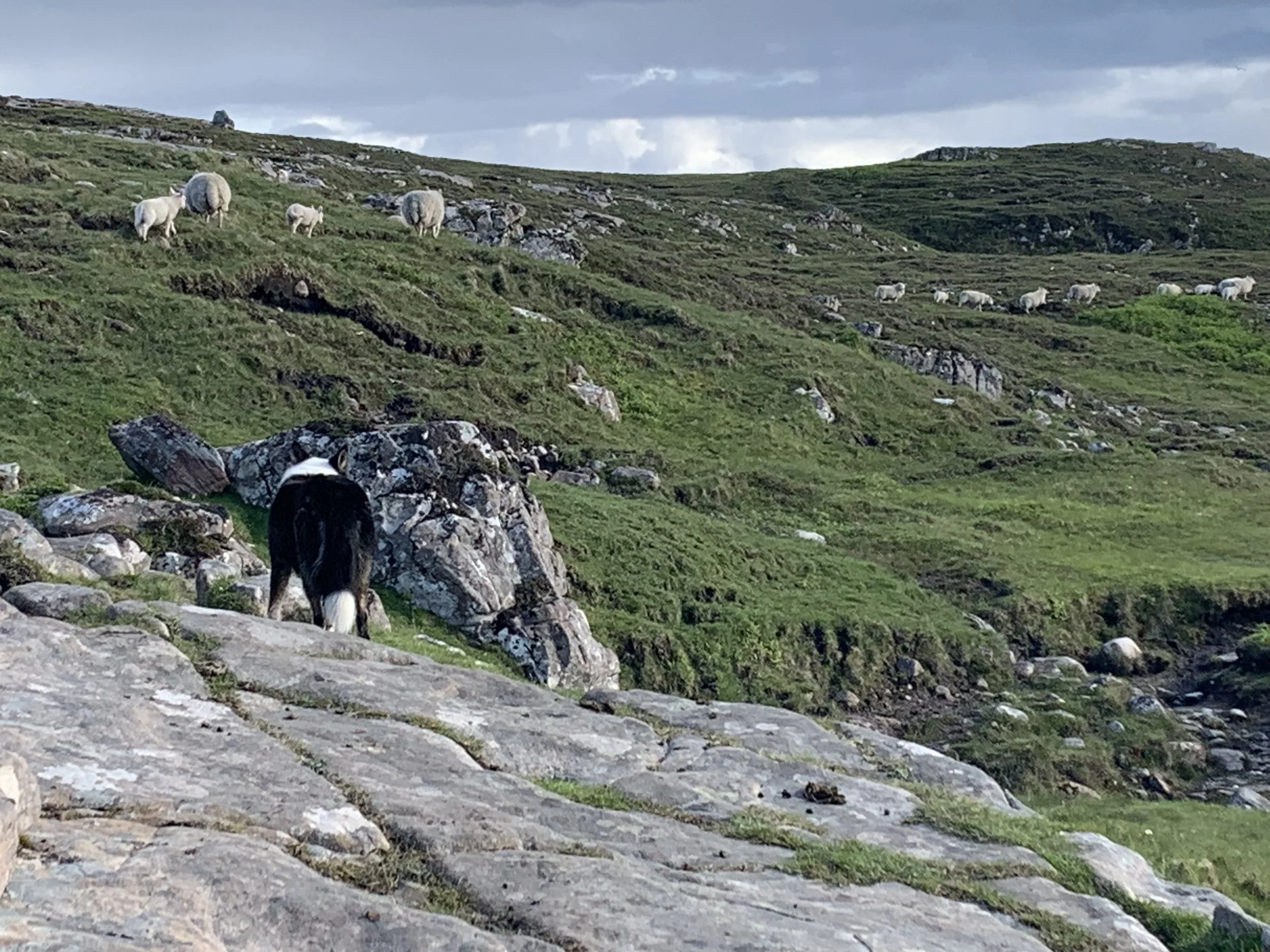
A good dog is, of course, your most essential tool to handle them. But he isn’t just a tool. Every sheep farmer I know loves and adores their dogs in quite an intimate way. Just, incidentally, like the sheep themselves. You know every one of them individually with their quirks and foibles. Some more than others, but they have all their own personalities.
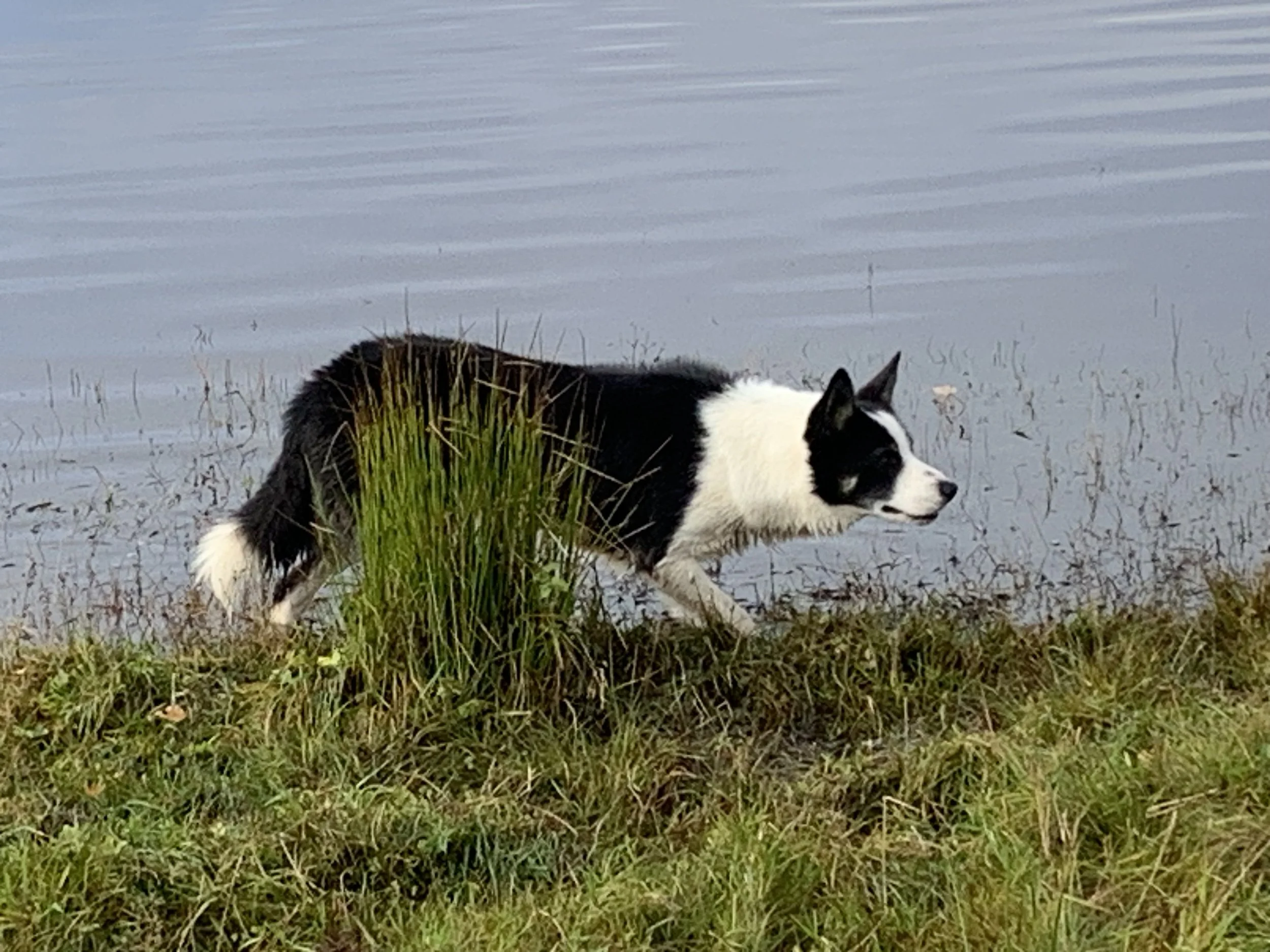
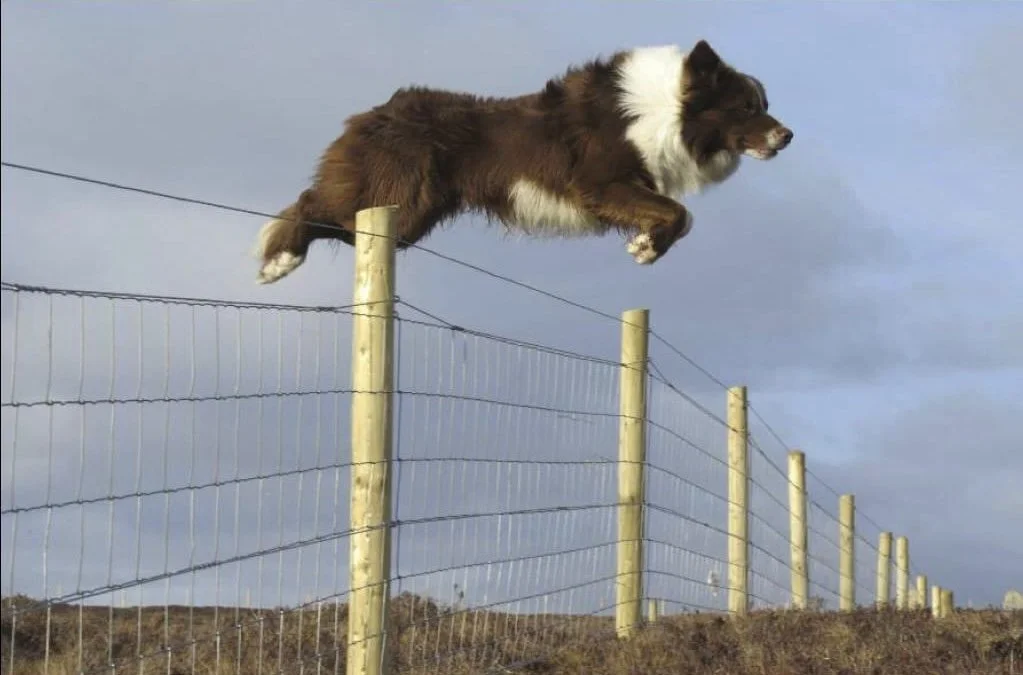
This is our Moritz. His predecessor Max, whom you see below, was a tremendous dog if there ever was one. He passed away last year at a ripe old age. He was quite famous. At one time, his picture hung in many Scottish farming kitchens as the October pin-up of the country’s main feed supplier’s calendar.
It is difficult to say when the sheep year starts. Is at tupping time, when you try to get ewes and tups in peak condition, and try to match the right sheep with the right mate? Is it at scanning, when you see the first results? Is it at lambing? Or is it at the sales at Dingwall Mart, when your stock has to prove themselves against stock from all over the Highlands and Islands?
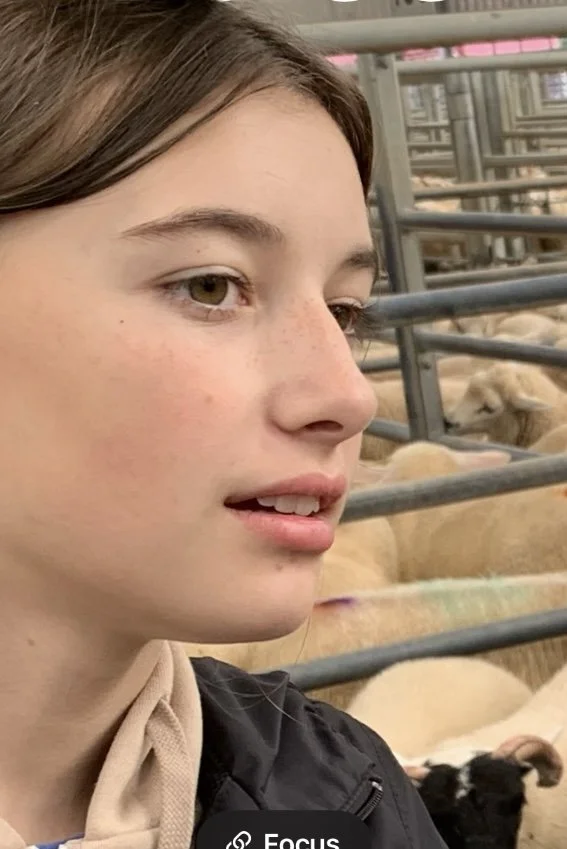
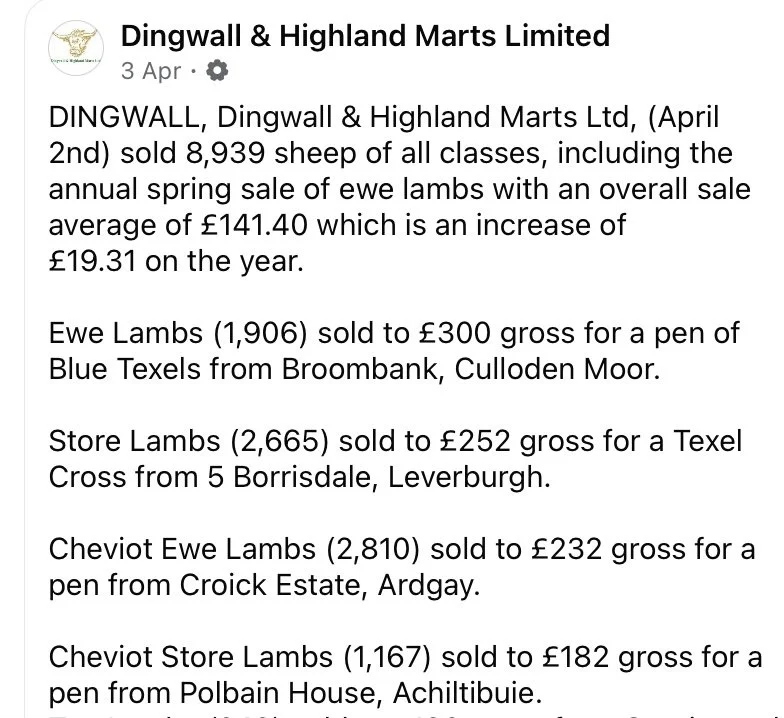
This is our granddaughter Florence helping in the penning area before the sheep enter the auction ring. This year, her’s and the year’s efforts paid off, as you can see in the result below: Polbain House Farm coming first in its class.
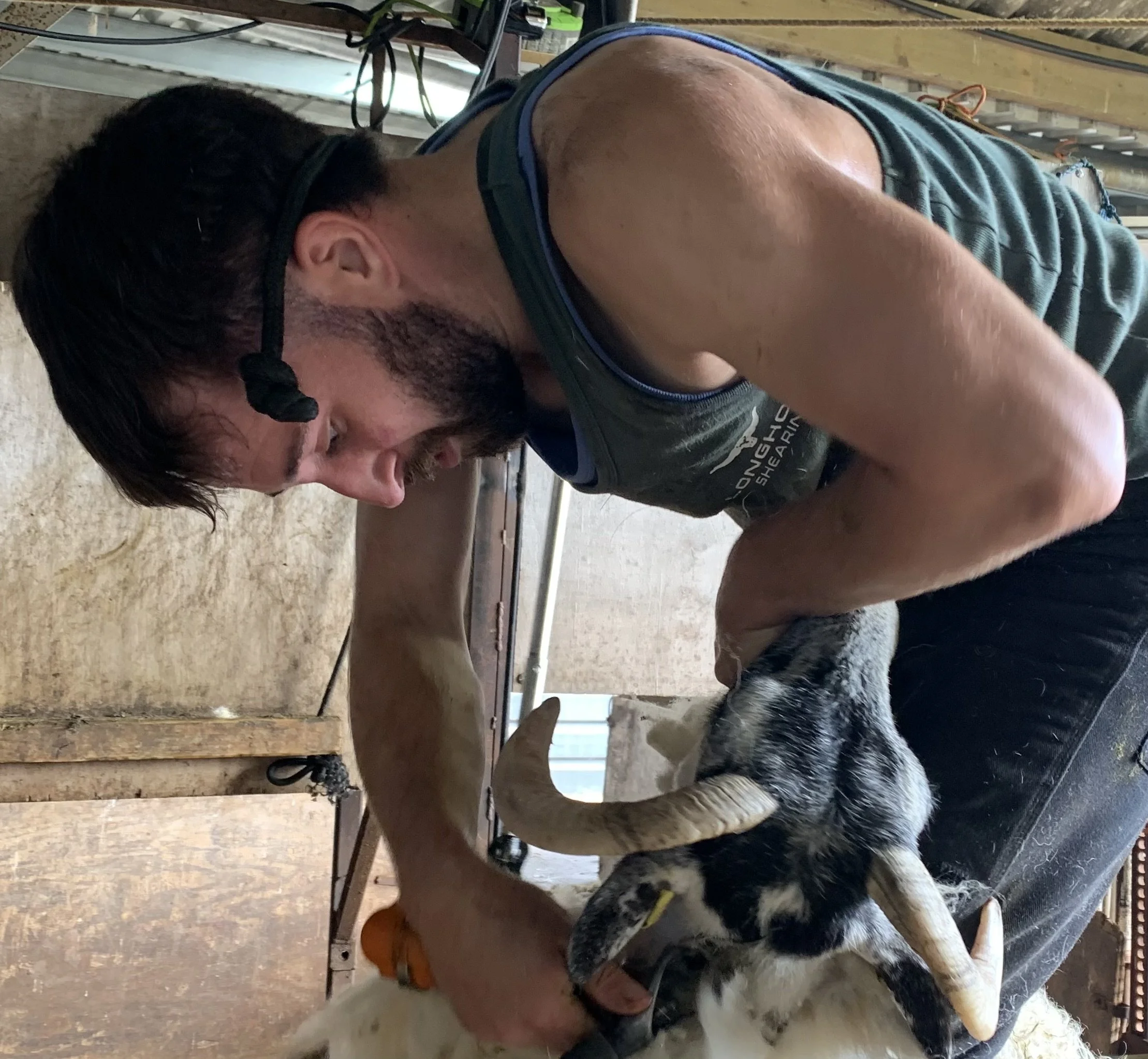
Now we are coming right into shearing time. That means, long days gathering sheep from the hills. And hoping that the weather will be kind. The fleeces have to be dry for clipping.
These days, contractors come at a pre-arranged date. It’s not like in the old days when the shepherds plucked away at it whenever it was possible. Some way or another, we have to keep our sheep dry. Some way or another, we always manage.